


 Italy
 Canada
 Czech Republic
 Denmark
 Malta
 Sweden
 Germany
 Ireland
 Norway
 Hungary
 Lithuania
 Greece
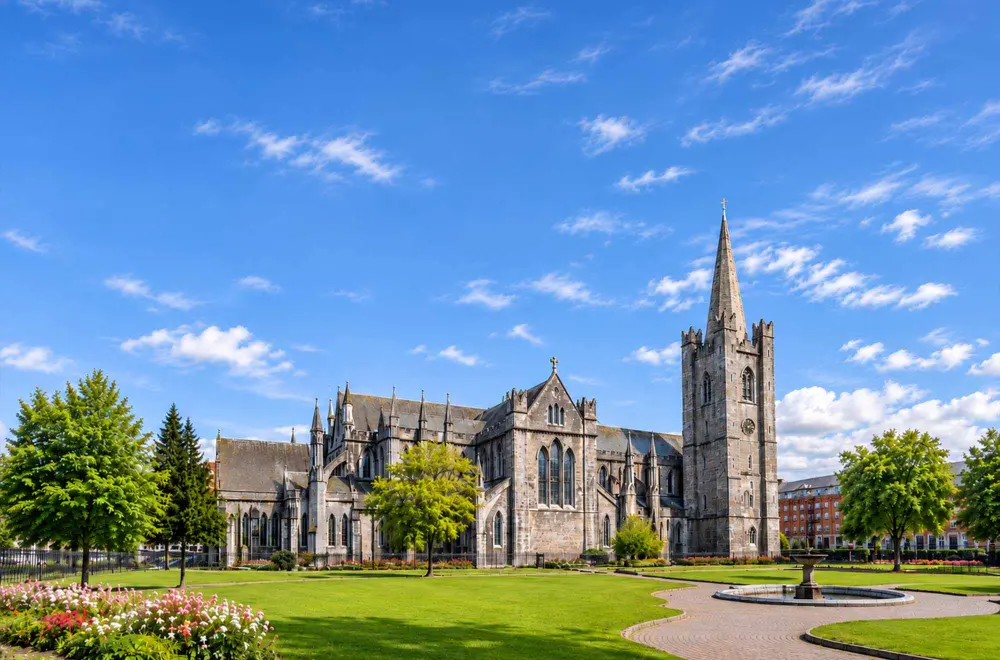
Study in Ireland
English-speaking, EU-based and welcoming to graduates. Know the funds, the work hours and the graduate stay before you apply. ESA guides you through each step.
- English-speaking country
- Work 20 hrs/week in term
- Graduate stay after your degree
Hundreds of visa-approved students. Real stories below.
-

EUR 10,300 – 29,000
Undergraduate business tuition per year (2025/26)
-

EUR 10,000
Funds to show for one academic year, plus fees
-

September
Main undergraduate entry through CAO
-

English
Language of instruction
-

20 hrs/week
Work in term (40 hrs in holidays)
-

Varies by institution
Scholarships
LIFE IN IRELAND
Everything you need to know before you apply
Visa, registration and working
Students who need a visa apply for a long-stay study visa, then register their permission with immigration within 90 days of arrival and pay a EUR 300 registration fee. Degree students are given permission for a specific programme and must show progress each year. You must show enough money for fees and living costs.
Key facts
- Work: up to 20 hours per week during term. During June, July, August and September, and between 15 December and 15 January, up to 40 hours per week.
- Funds: at least EUR 10,000 immediately available for one academic year, plus fees. Courses under 8 months: EUR 833 per month or EUR 6,665, whichever is less.
- After your degree: under the Third Level Graduate Programme, level 8 graduates get 12 months. Level 9 and above get 12 months first, renewed for another 12 months if you show steps toward graduate-level employment (page modified 2024-03-28).
- 20 hrs Work per week in term
- 40 hrs Work per week in holidays
- EUR 10,000 Funds, first year
Fees and money
Undergraduate tuition for non-EU students in 2025/26, as published by Education in Ireland, ranged from about EUR 10,300 to 29,000 for business, EUR 14,500 to 28,500 for engineering and science, EUR 13,500 to 28,200 for arts and humanities, and EUR 50,135 to 62,500 for medicine and health sciences. Fees change each year, so confirm with the institution. Your immigration funds requirement is separate from tuition.
Key facts
- Education bond: degree students may use an education bond of at least EUR 10,000 instead of bank statements (pilot scheme).
- Registration fee: EUR 300 after arrival.
- EUR 10,000 Funds per year
- EUR 300 Registration fee
- EUR 60 Single-journey visa fee
Undergraduate applications through CAO
Undergraduate courses use the CAO. The 2027 CAO application is open. You can apply before 20 January for a reduced fee of EUR 35, and the closing date is 1 February at 17:00. Master's courses are applied for directly to each institution, so check the college page for dates.
Key facts
- CAO reduced fee: EUR 35 before 20 January.
- CAO closing date: 1 February, 17:00.
- EUR 35 CAO fee before 20 Jan
- 20 Jan Reduced-fee date
- 1 Feb Closing date
FAQ
Ireland questions students ask us
Cannot find your answer?
Ask a counsellor on WhatsApp.
-
At least EUR 10,000 immediately available for one academic year, plus course fees.
-
Up to 20 hours per week in term and up to 40 hours during the holiday periods listed on the immigration site.
-
Bangladesh is not on Ireland's visa-free list, so plan for a visa and check the Irish immigration visa tool. Visa fees are EUR 60 (single) and EUR 100 (multiple journey).
-
EUR 300.
-
It depends on the subject and institution, from about EUR 10,300 upward for undergraduates in 2025/26.
-
Yes, under the Third Level Graduate Programme. Level 8 graduates get 12 months. Level 9 and above get 12 months first, with a further 12 months if you show steps toward graduate-level employment.
Ready to start? Talk to a counsellor today
Our counsellors are available Saturday to Thursday, 10:00 AM to 6:00 PM. Closed on Friday.